Traditional Lipo Vs. Lipo 360: Understanding The Differences
Quick Summary
Traditional liposuction treats one area at a time, while Lipo 360 addresses the abdomen, flanks, and lower back together for a connected shape around the waist. Recovery length depends on how much surface area is treated, and Lipo 360 typically requires more healing time. Skin quality and fat distribution both affect which approach fits a given body. Full results from Lipo 360 before and after typically take a few months to settle as swelling resolves.
Body contouring options have grown well beyond a single approach to fat removal. Anyone researching their choices will likely come across Lipo 360 alongside more familiar liposuction methods.
The differences matter more than you might expect. Both procedures remove unwanted fat, but they approach the body differently and produce different results.
What Sets Lipo 360 Apart From Traditional Liposuction
Traditional liposuction usually targets one or two specific areas. Someone might address the abdomen, the thighs, or the flanks, but the treatment stays focused on that single zone. It works well for people who have one stubborn spot that hasn't responded to diet or exercise.
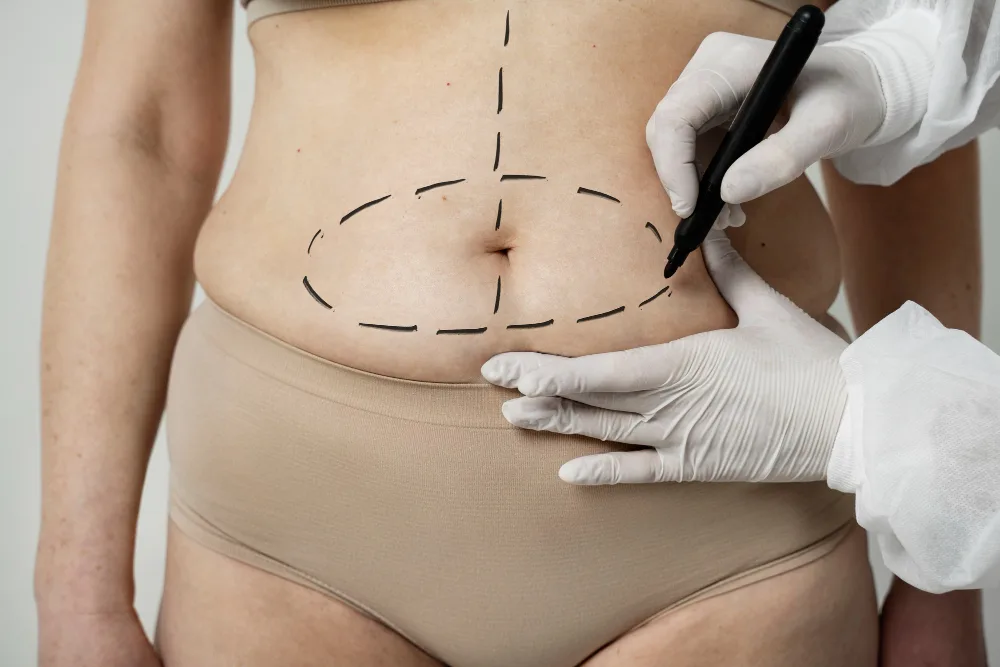
Lipo 360 takes a different route. Instead of treating one area in isolation, it addresses the full circumference of the midsection. This means the front of the abdomen, sides, flanks, and lower back are all treated in the same session. The goal is a shape that flows naturally from every angle. That full 360-degree approach is where the procedure gets its name.
Neither method is automatically better. Someone with one isolated area of fat might do fine with a traditional approach. Someone who is looking for an even, balanced shape around their entire waist might find 360 Lipo better suited to their goals.
Areas Treated and How They Compare
The areas each procedure covers make up one of the clearest distinctions between them. Traditional liposuction typically focuses on:
- Abdomen: A single treatment zone, often the upper or lower section
- Thighs: Inner or outer thighs, addressed independently
- Flanks: The sides of the waist, sometimes called love handles
- Arms: Occasionally treated as a standalone area
Lipo 360 combines several of these zones into one connected treatment plan. It typically covers:
- Upper abdomen: Fat above the belly button
- Lower abdomen: Fat below the belly button
- Flanks: Both sides of the waist
- Lower back: The area often referred to as the bra line or back rolls
Treating these regions together, instead of one at a time across multiple sessions, is part of what makes Lipo 360 appealing to people who notice fat distributed around their entire midsection rather than in one isolated pocket.
Explore back and bra line contouring for targeted concerns in these areas.
Lipo 360 Before and After: What Changes to Expect
People researching Lipo 360 before and after results often want to know what shifts once swelling resolves. Every body responds differently, but some general patterns are worth knowing.
In the early weeks after surgery, swelling and fluid retention can mask the new shape. Compression garments help manage this and support the skin as it adjusts to the treated areas. As the weeks pass, the midsection typically starts to show a more defined waistline, with a smoother transition between the front, sides, and back.
The full result usually takes a few months to appear, as the body continues to settle and any lingering swelling fades. Skin elasticity affects the final shape, which is why candidacy conversations often include a discussion of skin quality and tone, not just fat volume.
Recovery Considerations for Each Procedure
Recovery timelines vary depending on how much area is treated. A single-zone liposuction procedure often comes with a shorter recovery period, since less tissue is affected overall. People might be back to light activity within a week or so, depending on the area.
Lipo 360, which treats a larger connected region, generally requires a longer recovery window. More tissue is adjusting at once, and compression garments typically stay on longer to help the skin retract evenly around the entire midsection. It comes down to how much surface area is involved and how the body responds to healing.
Learn how awake liposuction compares with traditional approaches, including recovery considerations.
Who Tends to Consider Lipo 360 Over a Traditional Approach
People drawn to Lipo 360 often share a few common goals. They're usually looking for:
- An even silhouette: A balanced shape all the way around the waist, not just in one spot
- Fewer separate procedures: One combined treatment instead of multiple sessions on different areas
- A defined waistline: Especially where fat sits above and below the belt line
- Consistency across angles: Results that look proportional from the front, side, and back
Someone with a smaller, isolated area of fat and no interest in treating the surrounding regions might not need the broader approach that Lipo 360 offers. It comes down to personal goals and how much of the midsection someone wants addressed at once.
Fat Removal and Body Shape: Two Different Goals
It's worth separating two ideas that sometimes get blended together: removing fat and reshaping the body. Traditional liposuction reduces fat volume in a specific area. Lipo 360 does this too, but it takes a broader approach to the areas being treated. The goal is to consider how those areas work together to create a more balanced overall shape. This can help the results look intentional and connected rather than like isolated pockets of change.
Some people pair body contouring with volume-focused procedures for a fuller result. A natural BBL uses fat transferred from the abdomen or flanks to add shape to the buttocks, which can complement the waist definition that comes from Lipo 360. These procedures address different goals, but they can work together depending on what someone wants their overall silhouette to look like.
Questions Worth Asking Before Choosing a Procedure
Before deciding between a traditional approach and a full 360 treatment, a few questions can help clarify the decision:
- Where is the fat concentrated: One area, or spread around the midsection
- What's the recovery timeline: How much time is realistically available for healing
- What's the desired outcome: A single change, or a broader reset to the waistline
- How does skin quality factor in: Firmer skin tends to retract differently than looser skin
There isn't a single answer that applies to every body. What matters is matching the procedure to the specific areas someone wants to address and their recovery timeline.
Finding the Approach That Matches Your Goals
Traditional liposuction and Lipo 360 both remove unwanted fat, but they take different paths. One narrows in on a single area, and the other treats the midsection as a connected whole. At NuShape Spa, our approach starts with a close look at where fat sits on the body and the shape someone hopes to achieve once healing is complete.
If you're trying to figure out which approach best fits your body and goals, contact our team to talk through your options in more detail.
FAQs
Traditional liposuction focuses on one zone, the abdomen or flanks, for instance. Lipo 360 treats the upper and lower abdomen, both flanks, and the lower back together in a single session.
Initial swelling can mask results for the first few weeks. Full results typically take a few months to appear as the body settles and swelling fades.
Yes, recovery for Lipo 360 tends to take longer since a larger connected area is healing at once. Traditional liposuction on a single zone usually involves a shorter recovery window.
Fat removed during Lipo 360 can sometimes be used for a natural BBL, adding volume to the buttocks while defining the waist. The two procedures address different goals but can work together.
Yes, skin elasticity plays a role in how the treated areas look once healing is complete. Firmer skin tends to retract more evenly than looser skin after fat removal.